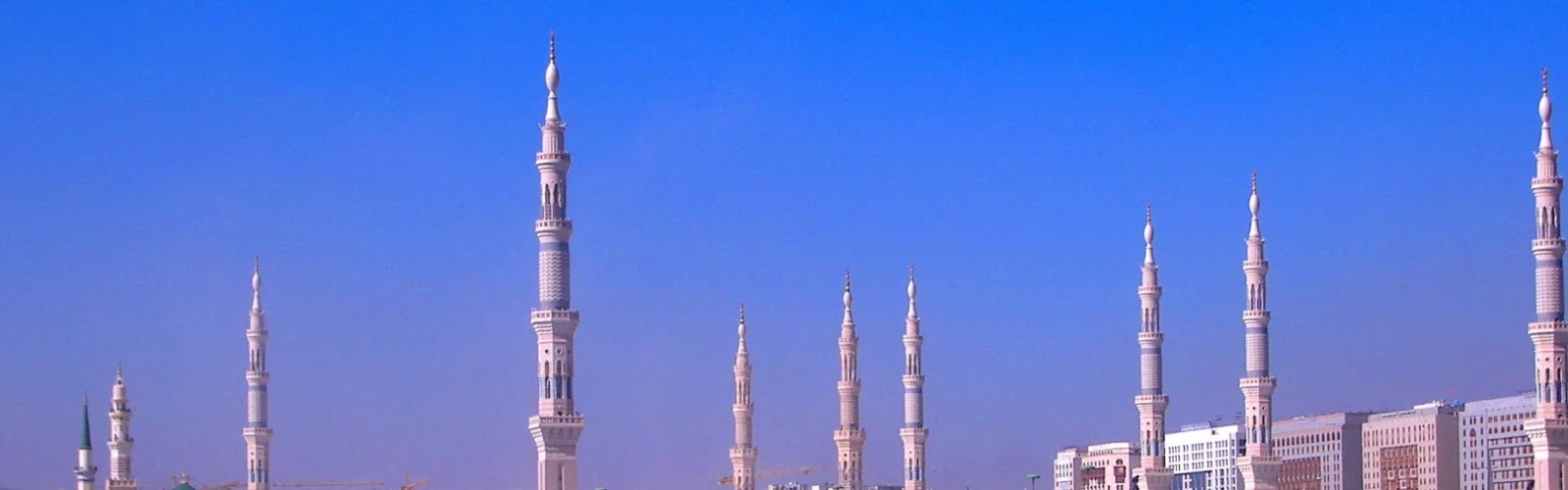
Best 10 Activities to Do in Makkah Post-Umrah

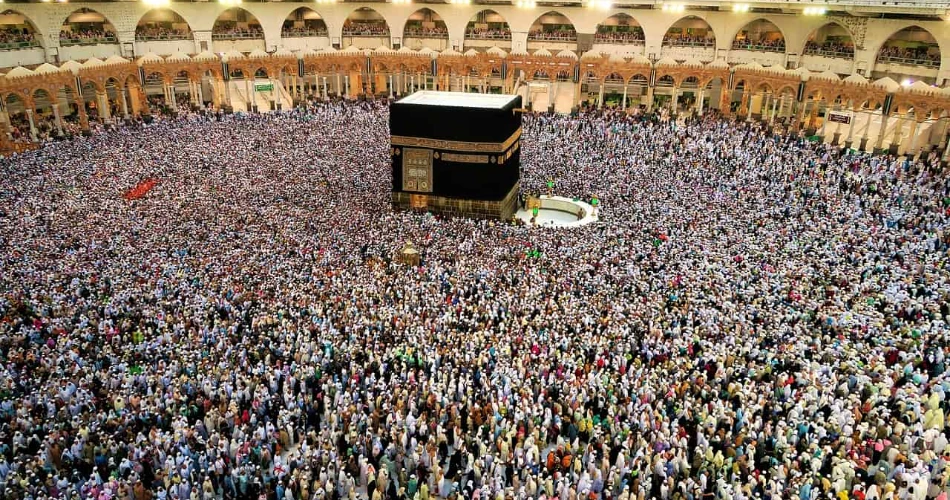
Planning to spend a little more time in the Holy City after completing your pilgrimage opens the door to meaningful places, history, and local experiences waiting just beyond the rituals of Umrah.
The city of Makkah is more than a pilgrimage destination; it is also rich in history, culture, and meaningful experiences beyond the sacred walls of Masjid al-Haram. Visitors can climb historic mountains, explore vibrant marketplaces, discover centuries of Islamic heritage, or simply spend quiet moments reflecting in the spiritual atmosphere of the city. Makkah offers countless experiences for travelers who wish to see more of the Holy City after completing their pilgrimage.
Below are 10 meaningful activities to do in Makkah after completing Umrah that combine spirituality, history, and local culture.
Revisiting Masjid al-Haram
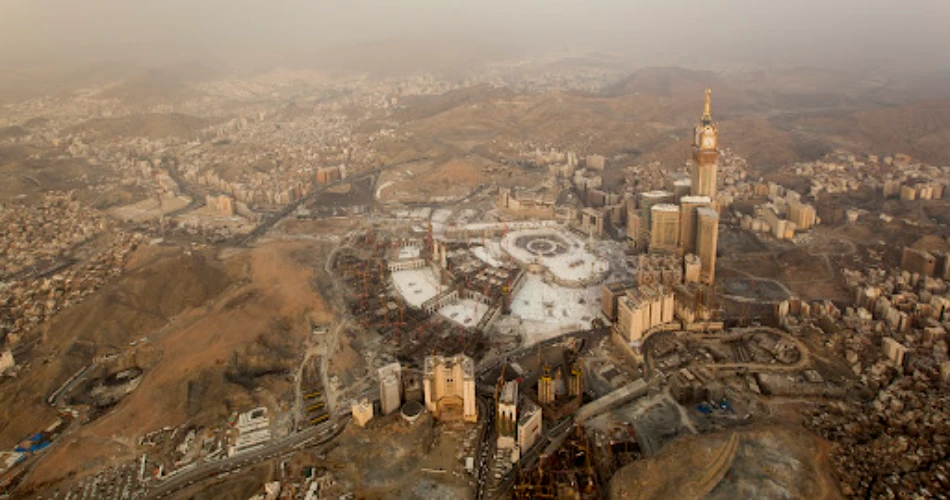
Many pilgrims return to Masjid al-Haram after completing Umrah to continue their spiritual experience through prayer, reflection, and recitation of the Qur’an.
The mosque remains open 24 hours a day, allowing worshippers to pray at any time, whether during the calm hours before dawn or late at night when the crowds are lighter. Pilgrims also take the opportunity to drink Zamzam water, perform additional voluntary prayers, and spend time in peaceful contemplation near the Kaaba.
Explore Jabal Thawr
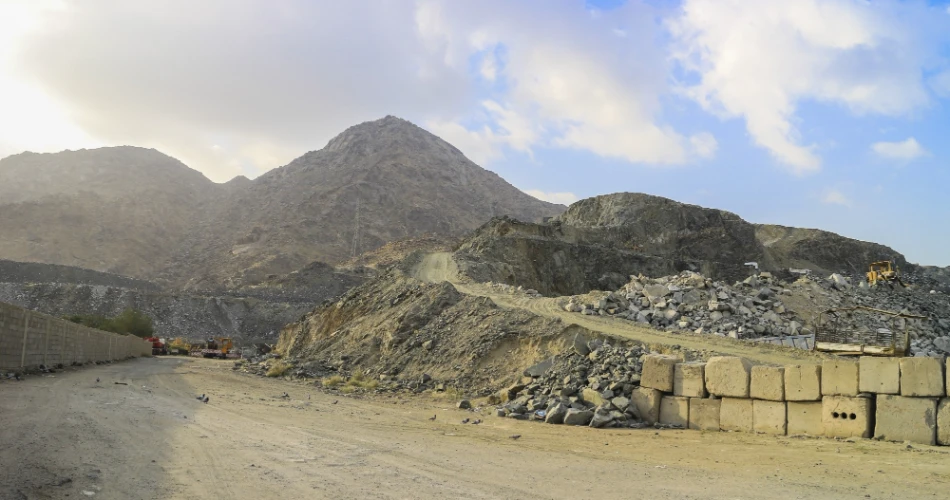
Jabal Thawr is a historic mountain located south of Makkah, known for the Cave of Thawr, where Prophet Muhammad (PBUH) and Abu Bakr sought refuge during the Hijrah.
Reaching the cave requires a challenging hike up rocky terrain, which can take several hours depending on the route. Pilgrims planning the climb should wear comfortable footwear and bring sufficient water. The hike is physically demanding but spiritually meaningful for those interested in early Islamic history.
Visit the Makkah Museum
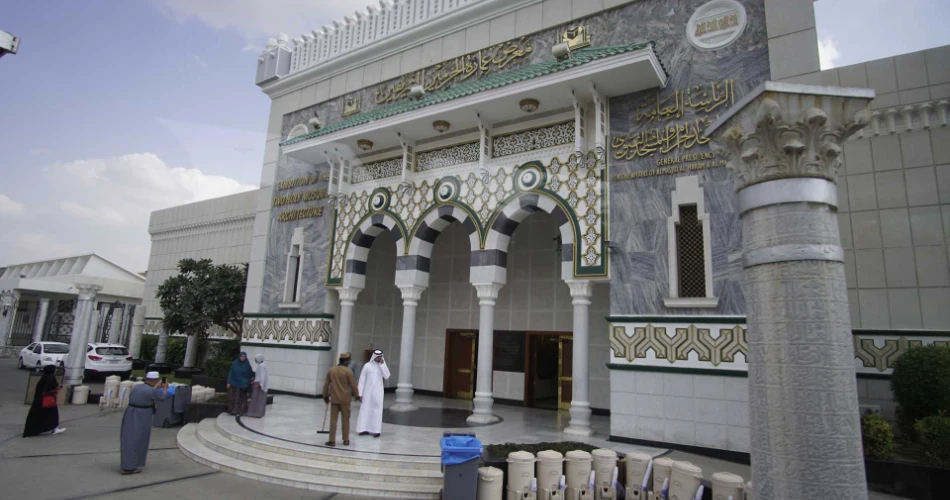
Makkah Museum, often referred to as the Makkah Regional Museum, provides a fascinating look into the city's deep historical roots.
The museum houses ancient artifacts, manuscripts, maps, and historical relics that document the development of Makkah from pre-Islamic times to the present. Visitors can explore exhibits related to the history of the Kaaba, the story of Ibrahim, and the evolution of the Hajj pilgrimage. Rare Qur’anic manuscripts and historical records also help illustrate how the Holy City has developed over centuries.
Visit Mount Arafat
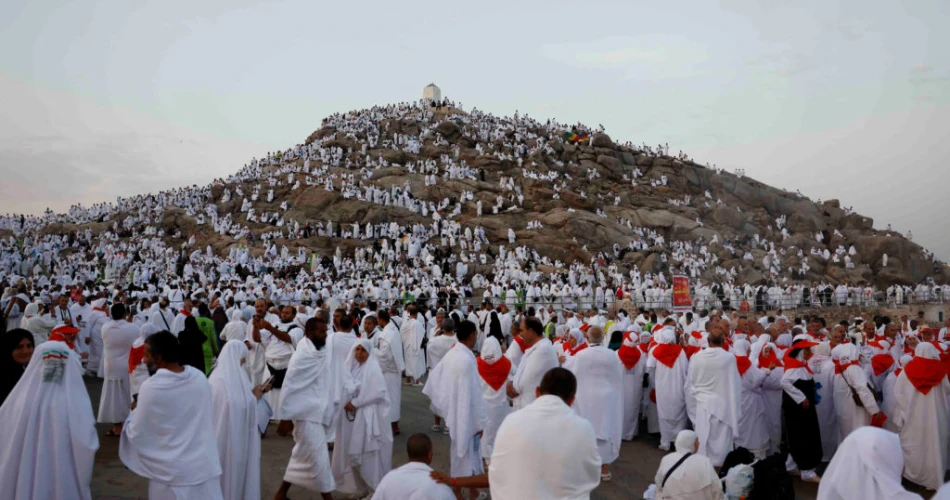
Mount Arafat is one of the most significant locations associated with the Hajj pilgrimage.
Every year on the 9th of Dhul-Hijjah, millions of pilgrims gather here for the Day of Arafat, the most important day of Hajj. This site is also where Prophet Muhammad (PBUH) delivered his Farewell Sermon, emphasizing justice, equality, and unity among Muslims. Even outside the Hajj season, visiting Mount Arafat allows travelers to reflect on this important moment in Islamic history.
Explore Mina
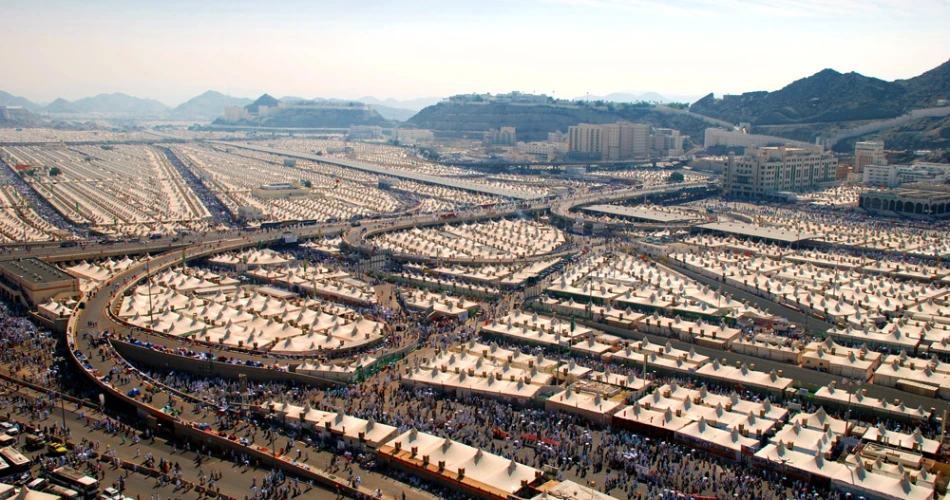
Mina is a valley located about 7 kilometers east of Makkah and plays a central role during Hajj.
During the pilgrimage, millions of pilgrims stay in rows of white tents while performing rituals such as Ramy al-Jamarat, the symbolic stoning of the devil. This ritual commemorates Prophet Ibrahim’s rejection of Satan’s temptations and represents the believer’s commitment to resisting evil.
Visit the Clock Tower Museum
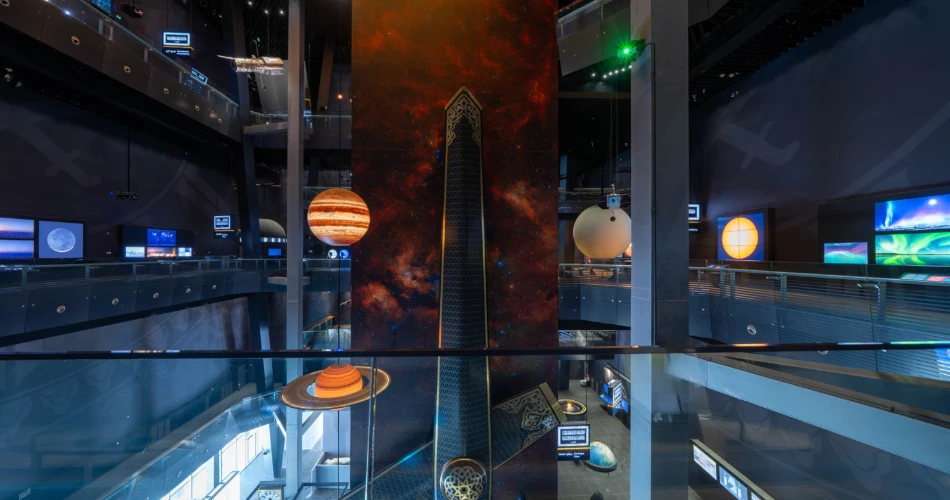
The Clock Tower Museum, located within the Abraj Al-Bait Towers, offers visitors a unique blend of science, history, and Islamic culture.
The museum features multiple floors dedicated to topics such as astronomy, timekeeping in Islamic civilization, the history of Makkah, and the construction of the Abraj Al-Bait complex. Visitors can also enjoy panoramic views of the Holy Mosque from the tower.
Taste Local Delicacies
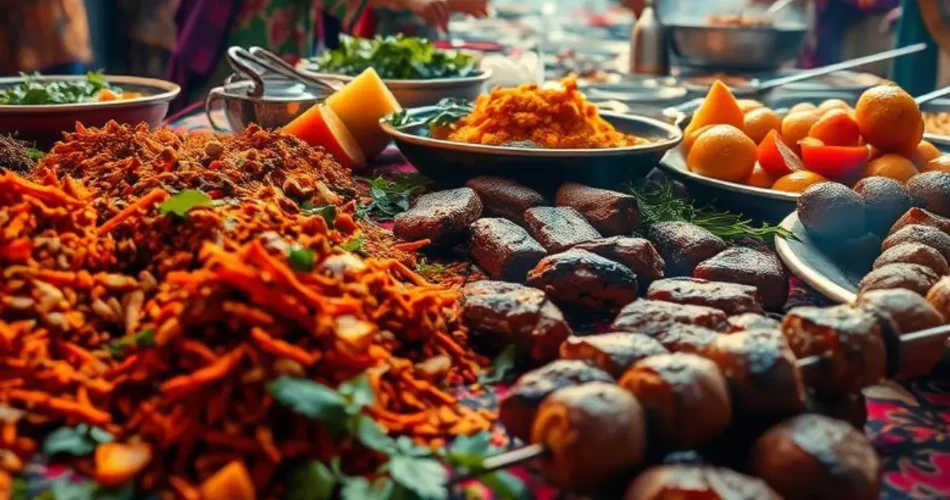
Makkah offers a variety of traditional Arabian dishes that reflect the region’s culinary heritage.
Popular meals include Kabsa, a fragrant rice dish served with meat and spices, and Mandi, known for its slow-cooked flavor. Street foods such as Mutabbaq and Samboosa are widely available in local markets.
Pilgrims can also enjoy fresh dates and traditional Arabic coffee (Gahwa) served in small cups, often paired with freshly baked bread from local bakeries.
Drink Zamzam Water
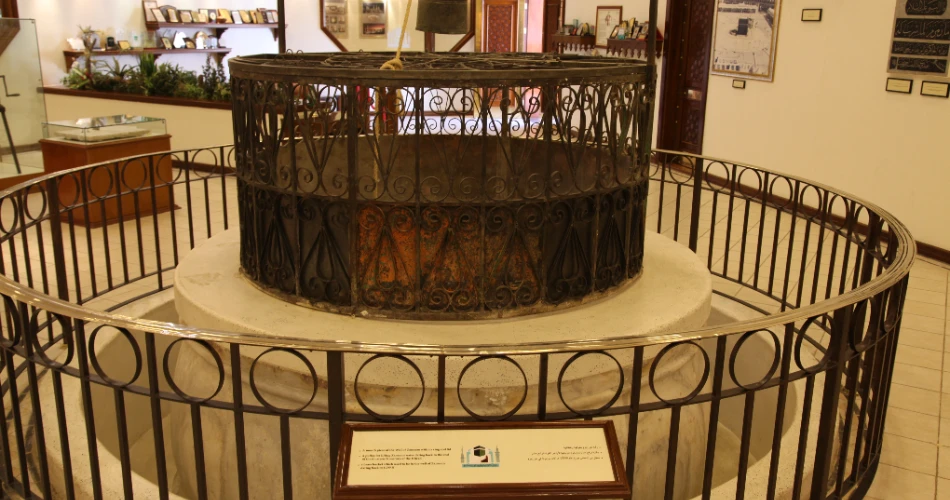
The Zamzam Well is one of the most sacred water sources in Islam.
According to Islamic tradition, the well miraculously appeared when Hajar searched for water for her son Ismail. Today, millions of pilgrims drink Zamzam water and take it home as a symbol of blessing and spiritual renewal.
Visit the Mosque of the Jinn
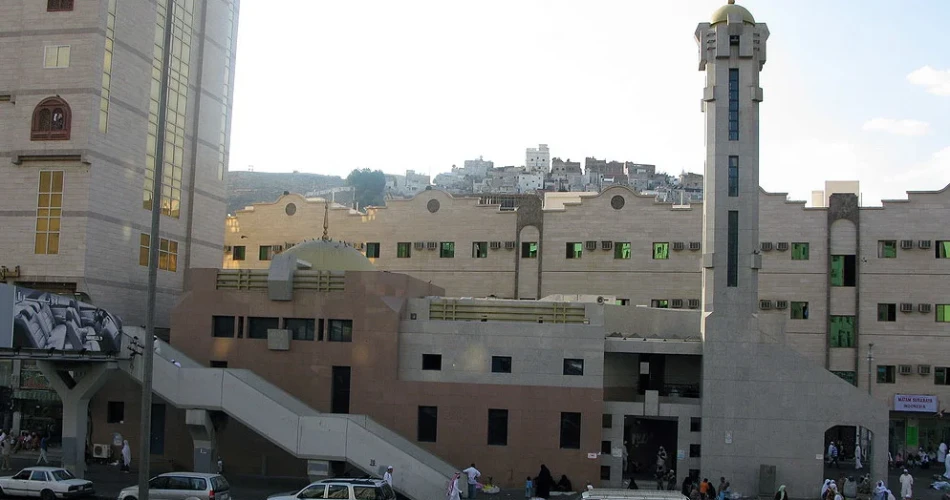
Mosque of the Jinn is believed to stand at the location where a group of jinn listened to the Prophet Muhammad’s recitation of the Qur’an and later embraced Islam.
This mosque is considered one of the oldest mosques in Makkah, and visiting it offers an opportunity to reflect on an important spiritual story in Islamic tradition.
Visit the Kiswah Factory
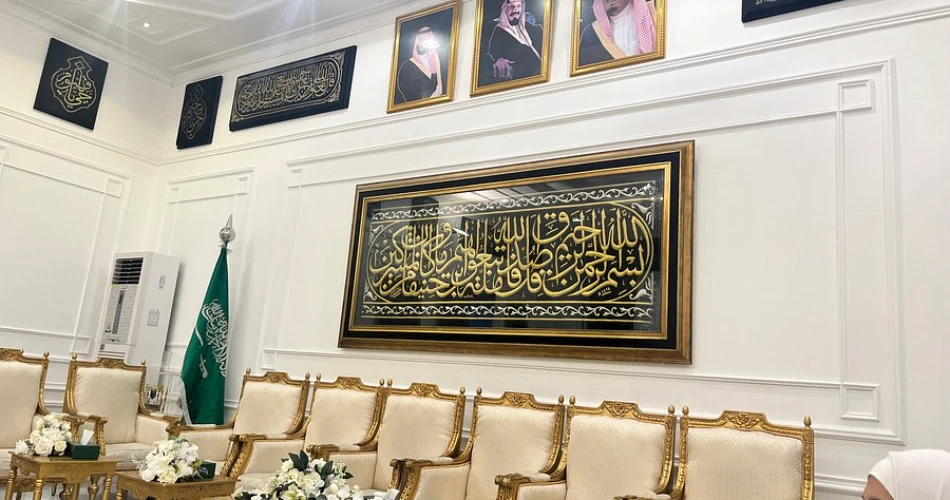
The King Abdulaziz Complex for the Holy Kaaba Kiswah is where the Kiswah, the black silk covering of the Kaaba, is produced.
The Kiswah is made from black silk embroidered with Qur’anic verses in gold-plated and silver threads. Skilled artisans work on the fabric for six to eight months each year, making it one of the most intricate textile works in the Islamic world.
Planning your visit to Makkah? Stay comfortably near Masjid al-Haram at Al Kiswah Towers Hotel. Enjoy convenient access to the Haram and relaxing accommodations after your Umrah.

About Author
Isla is known as one of the best female solo travel bloggers today. She has been to Europe, UAE, and America and has penned down her experience in her blogs to inspire other travel enthusiasts.