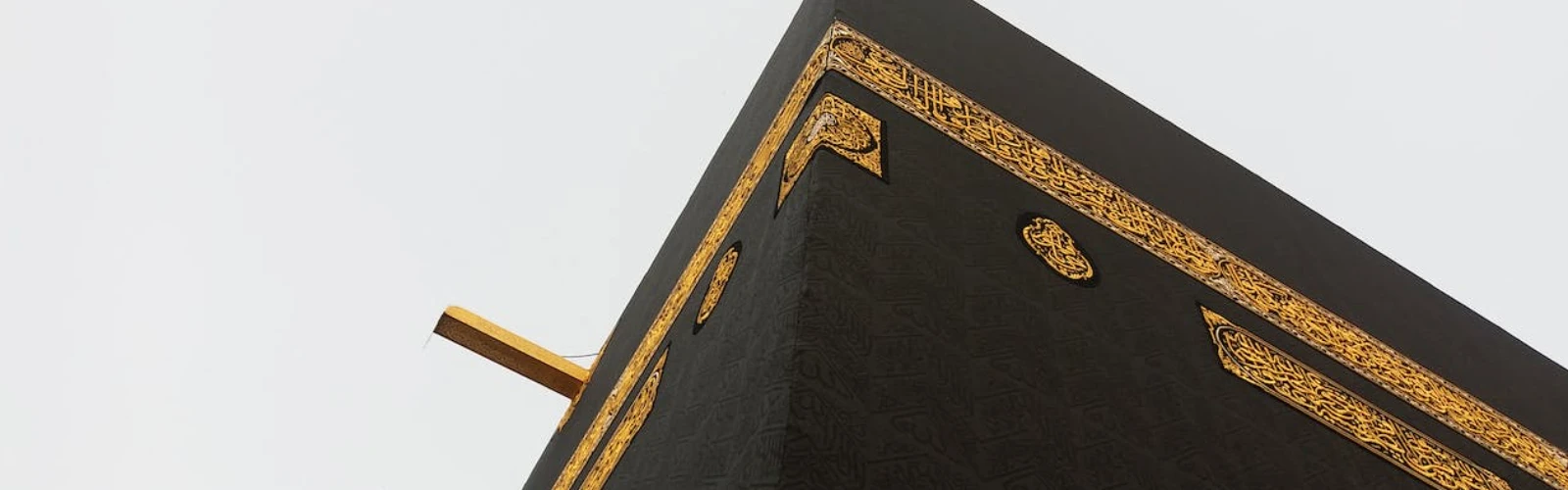
Everything You Need to Know About the Kiswah Factory

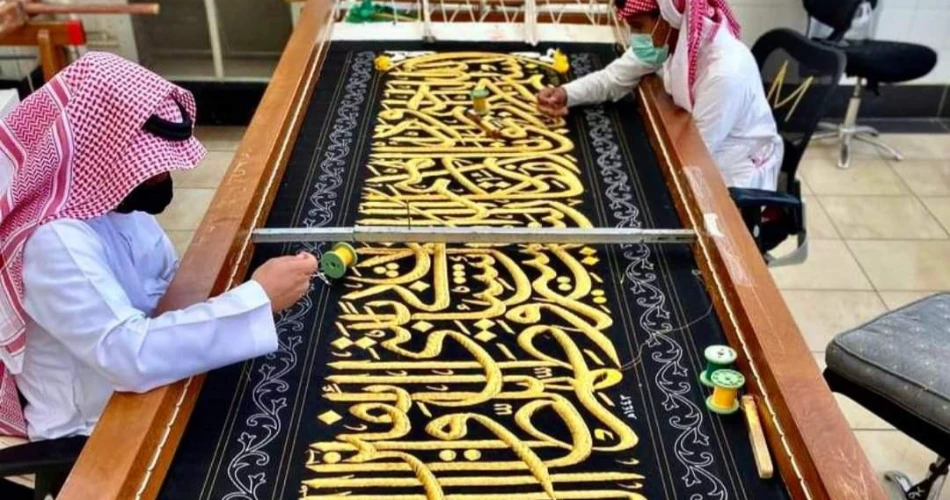
The Kiswah Factory in Makkah, officially known as the King Abdulaziz Complex for the Manufacturing of the Kiswah of the Kaaba, is situated in the holy city of Makkah. It is the facility where the sacred covering of the Kaaba is produced each year. The complex oversees every stage of production, including dyeing, weaving, embroidery, assembly, and final inspection, combining centuries-old Islamic craftsmanship with modern textile technology.
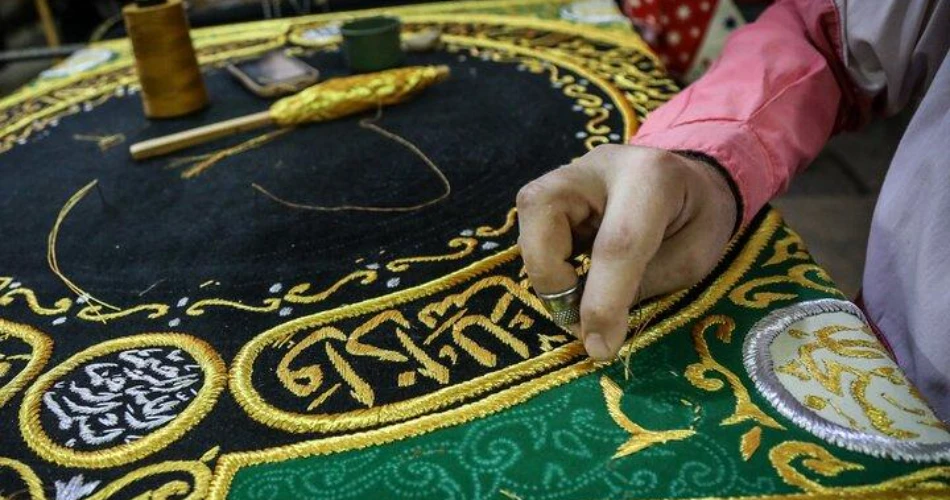
It is here that skilled Saudi artisans weave the black silk fabric of the Kaaba and embroider it with Qur’anic verses using gold-plated silver threads. The factory also welcomes visitors, allowing them to explore the intricate craftsmanship, production methods, and cultural significance of the Kiswah while preserving Islamic tradition and reverence. In this blog, we take a closer look at this remarkable institution where devotion and craftsmanship unite to serve the Holy Kaaba.
What is the Kiswah?
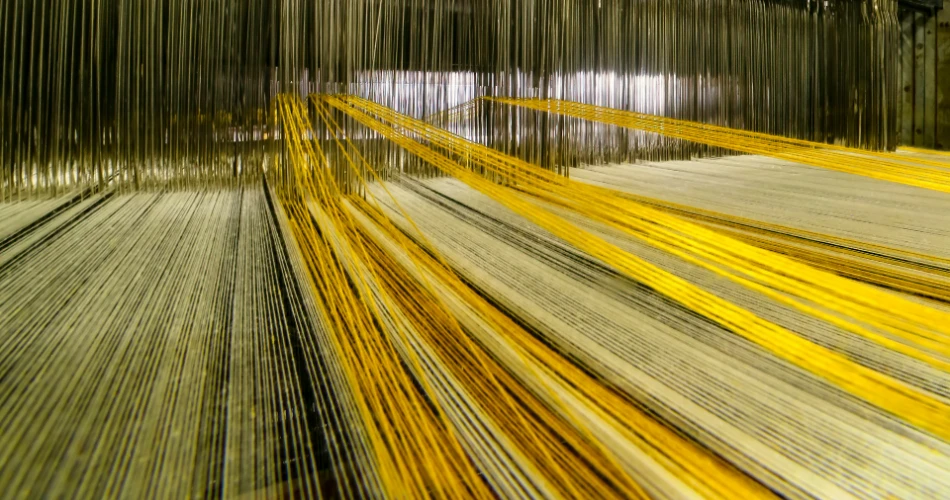
The Kiswah is the sacred covering of the Holy Kaaba. It is made from approximately 670 kilograms of natural black silk and embroidered using about 100 kilograms of silver thread coated with 24-carat gold.
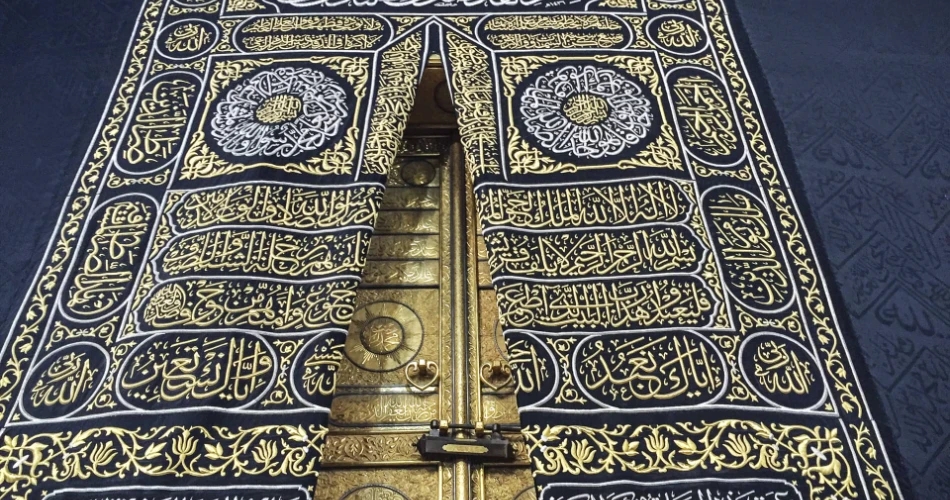
The cloth is intricately embroidered with Qur’anic verses, including Surah Al-Ikhlas and other selected passages, by highly trained Saudi artisans. The black silk symbolizes humility and equality before Allah and also helps conceal signs of wear caused by millions of pilgrims who visit annually.
The Kiswah features detailed geometric motifs, Arabic calligraphy, and ornamental Islamic patterns woven and embroidered into the fabric. Each panel is precisely measured and stitched to ensure it fits perfectly over the Kaaba. The entire production process takes several months and includes silk dyeing, weaving, printing, embroidery, stitching, and final assembly.
The Kiswah is not merely a covering — it is a profound symbol of faith, unity, and devotion to the House of Allah.
Kiswah Factory
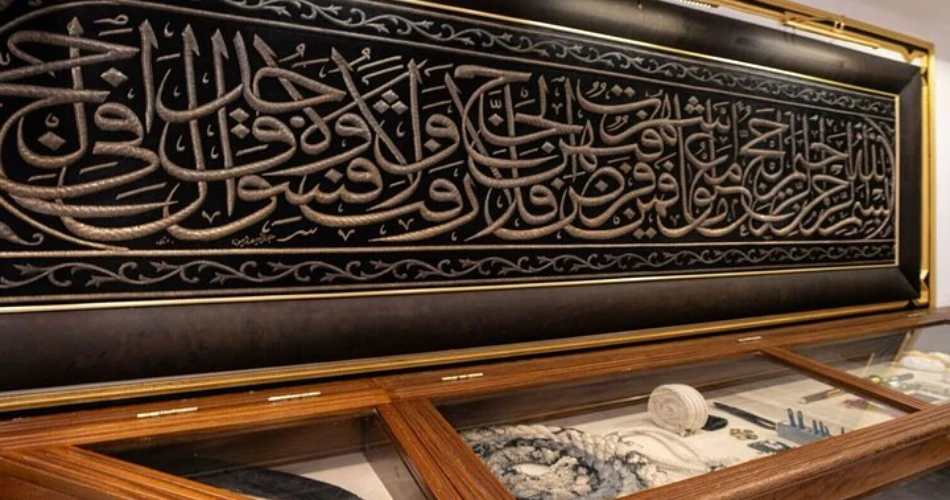
The Kiswah Factory, also historically known as Dar Al-Kiswah, manages the complete production of the Kaaba’s covering. The complex includes departments for dyeing, weaving, printing, embroidery (both hand and machine), assembly, and quality inspection.
More than 200 skilled workers, technicians, and textile specialists operate advanced looms, embroidery machines, and precision equipment to ensure exceptional quality. The factory also supervises design layouts, artisan training, and departmental coordination to maintain consistent standards.
Location
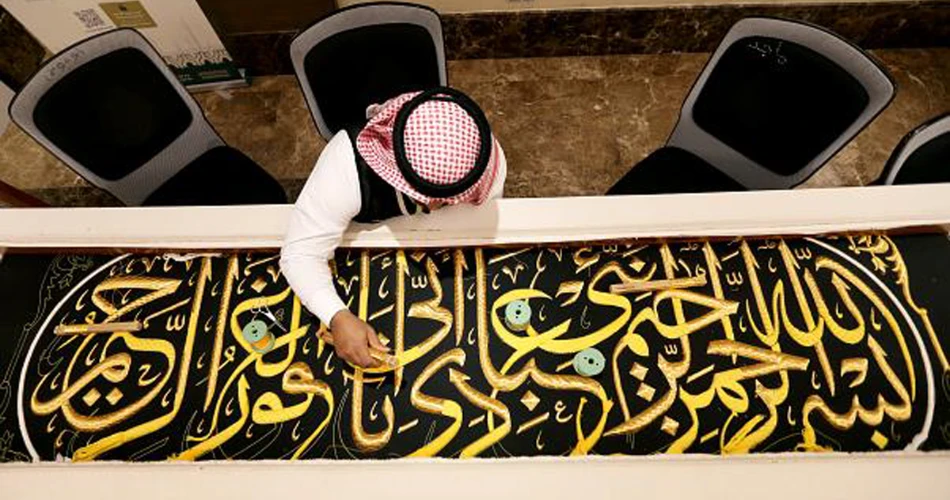
The Kiswah Factory is located in the Umm Al Joud district of Makkah, approximately 10–12 kilometers from Masjid Al Haram, which is around a 15–20 minute drive depending on traffic.
Its location allows for smooth transportation of the Kiswah to the Grand Mosque during the annual replacement ceremony and makes it accessible for approved visitors and educational tours.
History
The history of the Kiswah Factory reflects Saudi Arabia’s commitment to locally producing the sacred covering.
- In 1926 CE (1345 AH), after Egypt temporarily stopped supplying the Kiswah, King Abdulaziz Al Saudordered the establishment of the first Saudi Kiswah factory in the Ajyad district of Makkah.
- The factory officially began operations in 1927 CE (1346 AH)with around 60 skilled workers and successfully produced the Kiswah that same year.
- In 1936 CE, Egypt resumed sending the Kiswah, and the local factory paused operations.
In 1962 CE, when Egypt again stopped exporting the Kiswah, Saudi Arabia resumed domestic production. This period continued until 1977.
In 1977 CE (1397 AH), a new and modern factory was established in Umm Al Joud during the era of King Khalid bin Abdulaziz. This advanced facility included specialized departments for dyeing, weaving, embroidery, and assembly and employed approximately 200 workers.
Later, under King Fahd bin Abdulaziz, the factory underwent significant modernization. Advanced weaving and embroidery technologies were introduced, enabling more detailed and refined designs while reducing manual strain.
During the reign of King Salman bin Abdulaziz, the facility was renamed the King Abdulaziz Complex for the Manufacturing of the Kiswah of the Kaaba, reflecting both heritage and modern excellence.
Today, the complex stands as a symbol of craftsmanship, innovation, and devotion.
Visiting Information
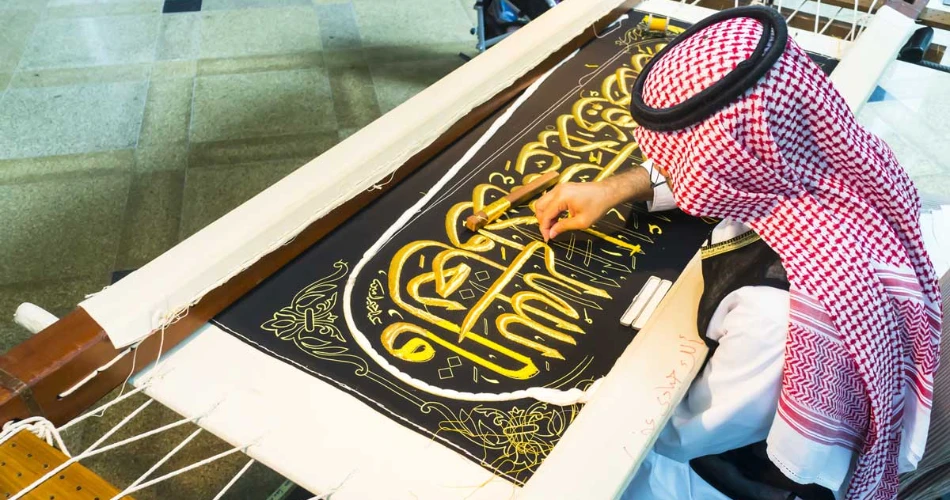
The Kiswah Factory allows Muslim visitors to observe the Kiswah production process and learn about this important aspect of Islamic heritage.
- Individual visits must be scheduled in advance.
- Official groups (Hajj missions, Umrah groups, educational institutions, and government delegations) coordinate visits through the relevant authorities overseeing the Two Holy Mosques.
- Group sizes typically range from 20 to 100 visitors.
- Entry policies may vary based on current regulations and security guidelines.
Visitors must dress modestly and respect the sacred nature of the facility.
What the Factory Has to Offer
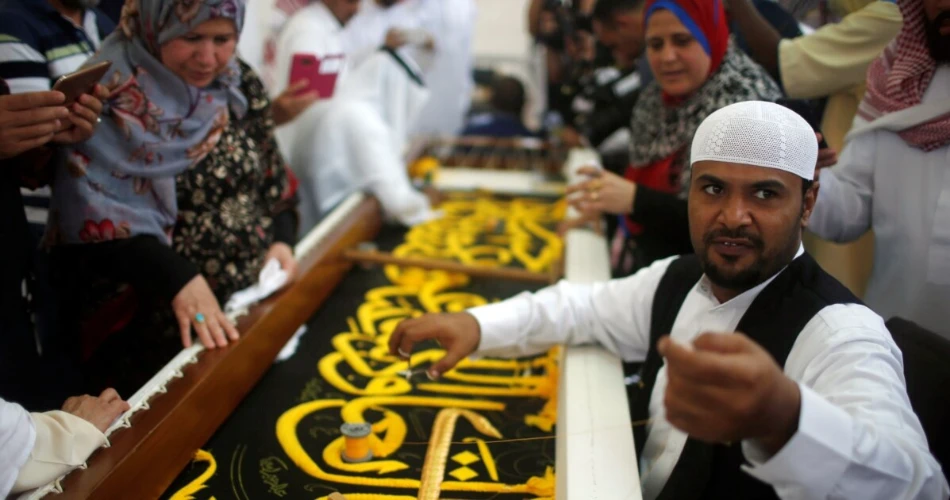
A visit to the Kiswah Factory provides a rare opportunity to witness the meticulous craftsmanship behind the sacred covering of the Kaaba.
The complex employs more than 200 specialists working across departments including:
- Silk weaving
- Gold-plated embroidery
- Printing
- Assembly
- Quality control
Visitors can observe each stage of production and understand how these processes combine to create the Kiswah before its annual replacement. The experience provides both educational and spiritual insight, making it one of the most meaningful places to visit in Makkah.
The Kiswah Replacement Ceremony
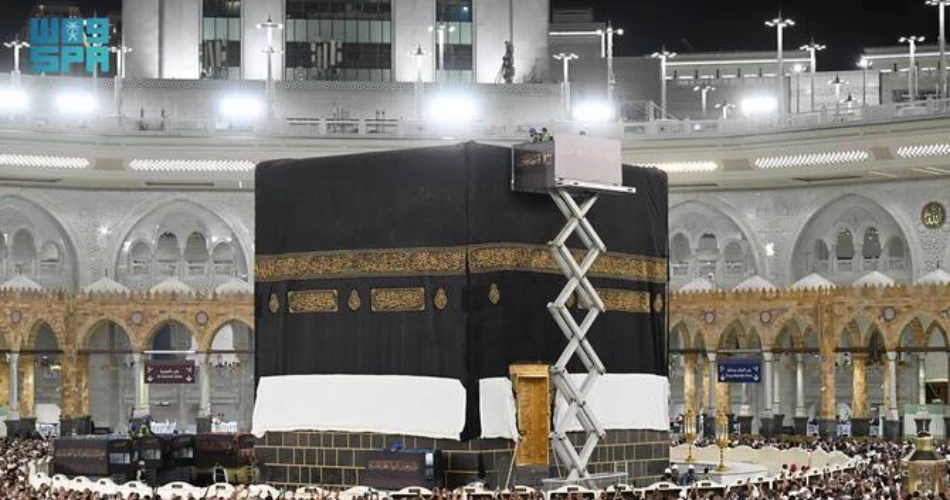
The Kiswah is replaced annually. Historically, the ceremony took place on the 9th of Dhul-Hijjah (Day of Arafah) during Hajj. However, in recent years, the replacement has been performed on 1st Muharram, the beginning of the Islamic New Year, to preserve the fabric and improve logistical arrangements.
During the ceremony:
- The new Kiswah is carefully raised and secured over the Kaaba.
- The old Kiswah is respectfully removed.
- The process is conducted with precision and solemnity.
The ceremony symbolizes renewal and continuity in Islamic tradition.
Kiswah Is Not for Sale
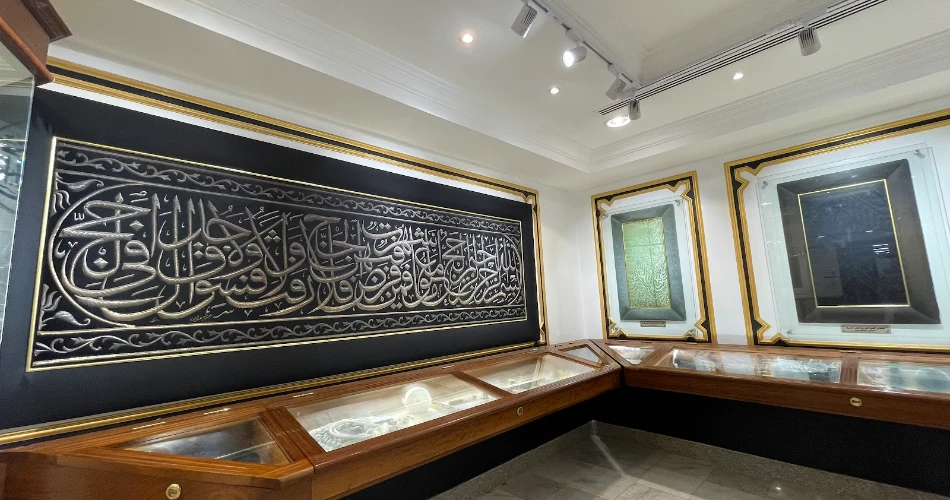
The Kiswah is never sold due to its sacred significance.
After replacement, the old Kiswah is cut into carefully preserved sections and gifted to:
- Islamic museums
- Government institutions
- Religious organizations
- Distinguished Muslim figures
It is not distributed publicly because of its spiritual value and limited availability.
Significance
The Kiswah Factory is a major cultural and spiritual landmark in Makkah. It preserves centuries of Islamic craftsmanship and safeguards historical textile techniques.
In addition to producing the Kiswah, the complex also preserves historical artifacts and textile samples related to Masjid Al Haram and Islamic heritage.
Every year, thousands of visitors gain insight into the tradition, artistry, and sacred importance of the Kiswah — reinforcing its role as both a spiritual and educational institution.
Stay at the well-located Al Kiswah Towers Hotel — enjoy free Wi-Fi, comfortable rooms, helpful services, and an easy walk or shuttle ride to Masjid al-Haram. Book your stay now and make your pilgrimage or visit unforgettable!

About Author
Alex is a successful travel blogger; he gives great tips to travel enthusiasts regarding how they can save money on their vacations. He's been to 40 + countries, and he mainly focuses on how to cut down costs during travel.