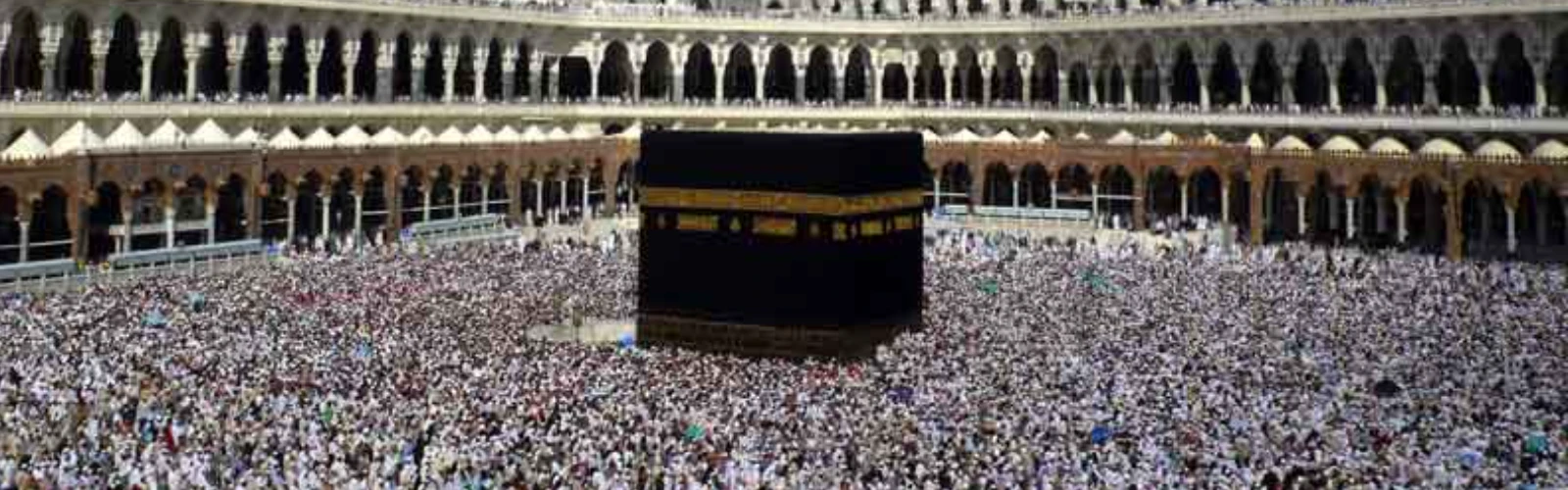
A Comprehensive Guide To The Masjid Al Haram

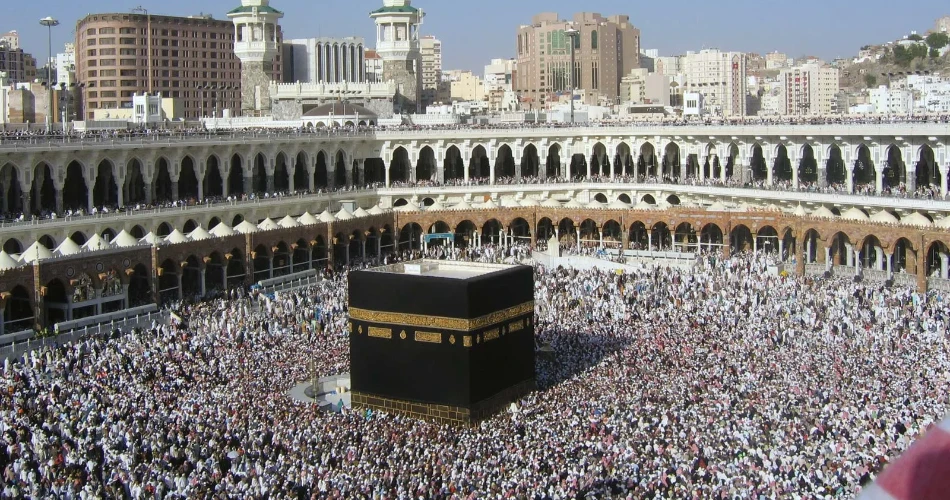
Planning a visit to Masjid Al Haram? Get set for a journey that lifts your spirits, takes your breath away, and tests your physical endurance. As the world’s largest mosque and the heart of Makkah, Masjid Al Haram welcomes millions of pilgrims every year, all moving with one goal in mind and deep determination. From the most sacred Kaaba to a sip of blessed Zamzam water, every corner of this holy sanctuary holds profound meaning and rich Islamic history. This guide walks you through all the essential details so you can focus on your worship without confusion. Let’s begin.
Masjid Al Haram Overview
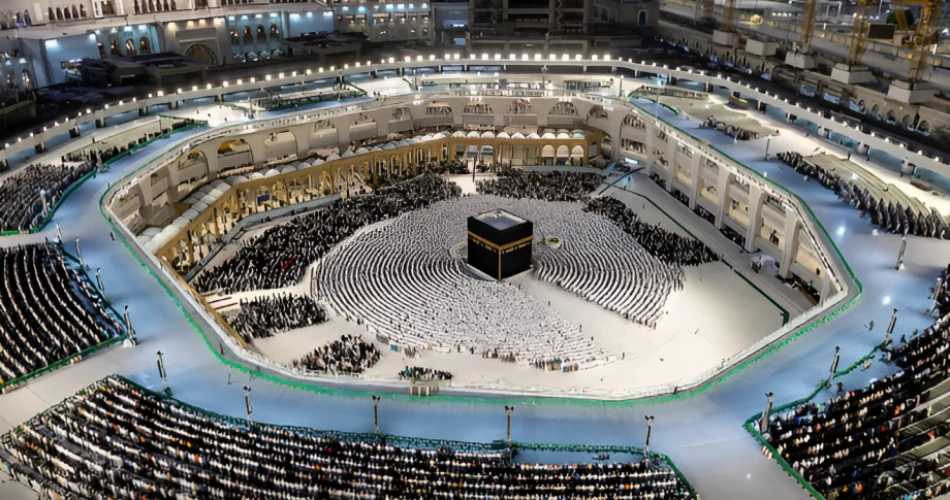
Masjid Al Haram in Makkah, Saudi Arabia, is the largest mosque in the world and the most sacred site in Islam. It surrounds the Holy Kaaba, the Qiblah toward which Muslims turn five times daily in prayer. This magnificent sanctuary also includes Maqam Ibrahim, Hijr Ismail, the Zamzam Well, and the Safa and Marwa hills, all deeply rooted in Islamic tradition.
For millions each year, Masjid Al Haram is central to Hajj, which is obligatory once in a lifetime for those who are able, and Umrah, which is voluntary. Pilgrims perform Tawaf around the Kaaba, drink Zamzam water, pray in the sacred courtyard, and fulfill acts of worship prescribed in the Qur’an and Sunnah.
Historical Background of Masjid Al Haram
The origins of the Kaaba trace back to Prophet Ibrahim (AS) and his son, Prophet Ismail (AS). According to the Qur’an, Allah commanded them to raise the foundations of the Kaaba as a house of monotheistic worship. Prophet Ibrahim (AS) proclaimed the call to Hajj, establishing a pilgrimage tradition that continues annually.
Before Islam, idols were placed inside the Kaaba. In 630 CE, Prophet Muhammad ﷺ cleansed the Kaaba of idols, restoring it as a center of pure Islamic worship.
Masjid Al Haram underwent major expansions under Caliph Umar ibn al-Khattab (RA), Caliph Uthman ibn Affan (RA), the Umayyads, Abbasids, Ottomans, and later the Saudi rulers. Modern Saudi expansions have significantly increased capacity, adding multiple prayer levels, advanced cooling systems, and expanded Mataf areas to safely accommodate millions of pilgrims.
Main Landmarks Inside Masjid Al Haram
The Holy Kaaba
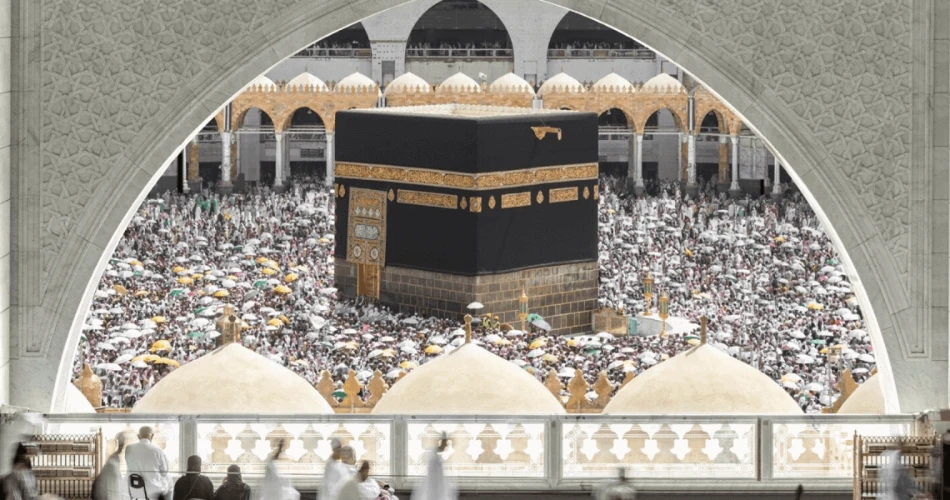
The Kaaba stands at the center of Masjid Al Haram. It is a cube-shaped structure approximately 13.1 meters high. It serves as the Qiblah for Muslims worldwide. Pilgrims perform Tawaf around it during Hajj and Umrah, symbolizing unity and devotion to Allah.
Hajr-e-Aswad (Black Stone)
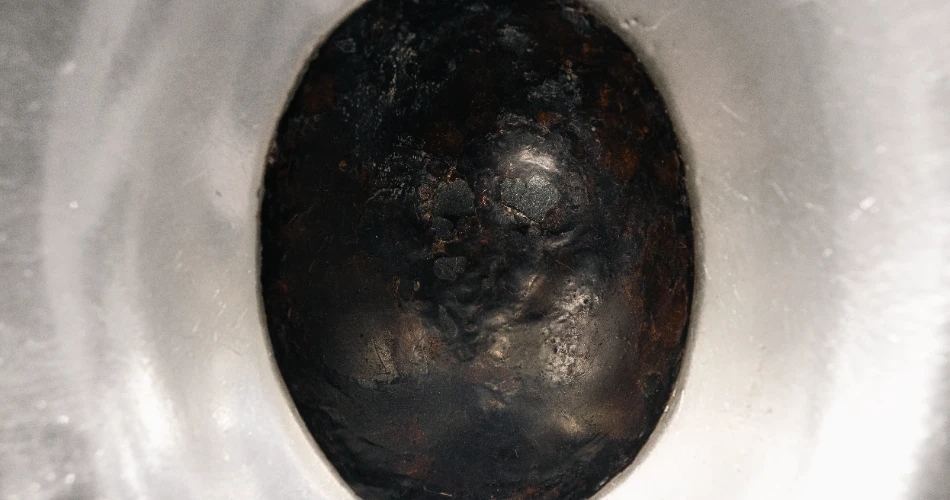
The Black Stone is set into the eastern corner of the Kaaba. Islamic tradition states that it descended from Paradise. Pilgrims begin and end Tawaf at this point, touching or gesturing toward it when possible, following the Sunnah of Prophet Muhammad ﷺ.
Maqam-e-Ibrahim
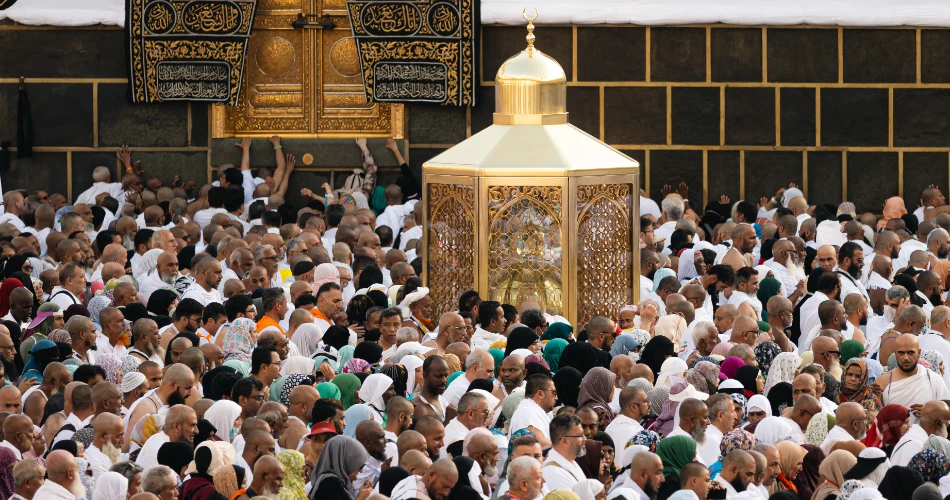
Maqam Ibrahim is a stone bearing the footprint marks of Prophet Ibrahim (AS). It is enclosed within a crystal structure near the Kaaba. The Qur’an instructs believers to pray two rak’ahs behind Maqam Ibrahim after completing Tawaf.
Hijr Ismail (Hateem)
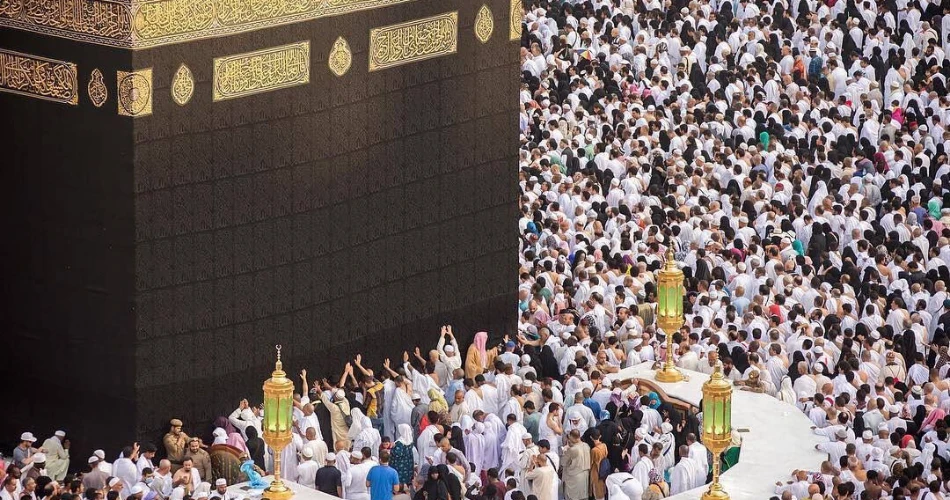
Hijr Ismail is the semi-circular area adjacent to the Kaaba. It was originally part of the Kaaba’s foundation. Praying within this area carries the same reward as praying inside the Kaaba itself.
Zamzam Well
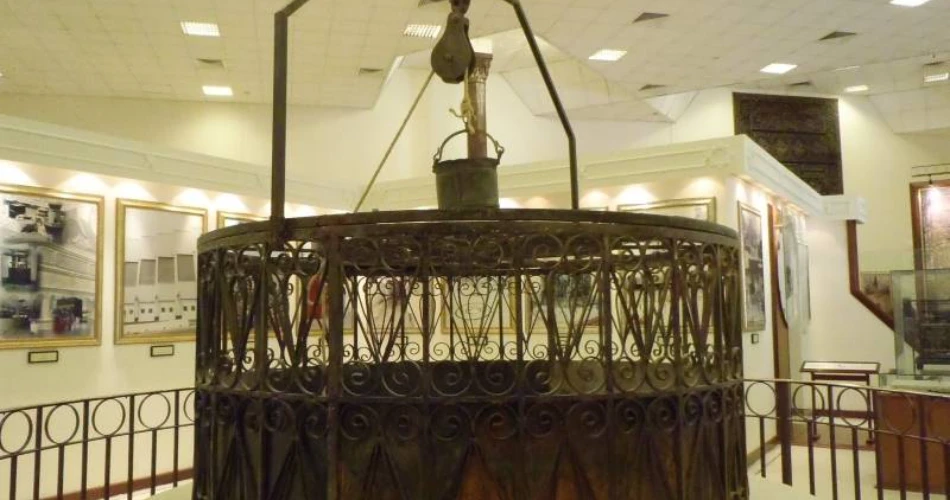
The Zamzam Well emerged when Angel Jibreel struck the ground, providing water for Hajar (RA) and Ismail (AS). Zamzam water is continuously pumped and distributed through modern cooling stations. Scientific studies confirm its unique mineral composition and purity standards under Saudi supervision.
Safa and Marwa
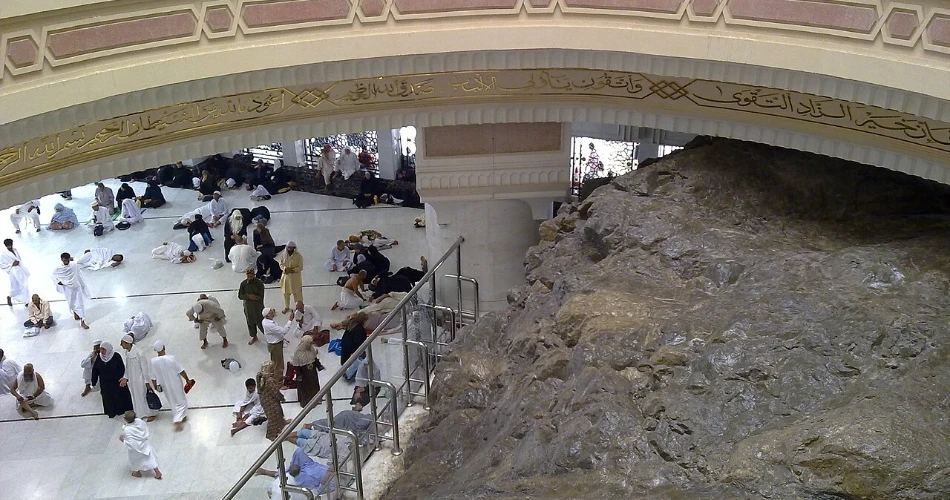
Safa and Marwa are two hills within the mosque complex. Pilgrims perform Sa’i by walking seven times between them, commemorating Hajar’s (RA) search for water. The distance covered during Sa’i is approximately 3 kilometers in total.
Rituals Performed in the Holy Mosque of Islam
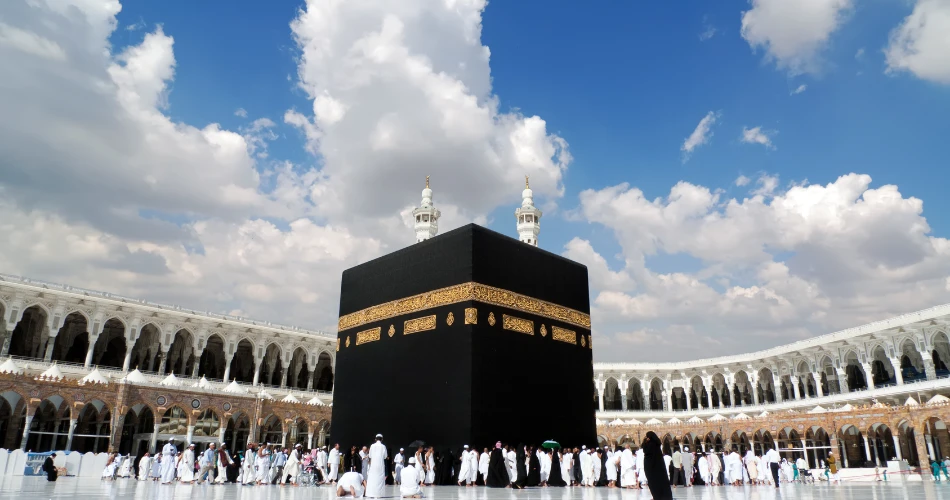
Tawaf involves circling the Kaaba seven times counterclockwise, beginning at the Black Stone. Sa’i consists of seven walks between Safa and Marwa. Prayer in Masjid Al Haram carries multiplied reward, with one prayer equal to 100,000 prayers elsewhere, according to an authentic hadith.
During Umrah, pilgrims enter Ihram, perform Tawaf, complete Sa’i, and trim or shave their hair. Hajj includes additional rites such as standing at Arafat, staying in Muzdalifah and Mina, performing Ramy al-Jamarat, offering Qurbani sacrifice, and concluding with Tawaf al-Wida.
Best Time to Visit Masjid Al Haram
Umrah can be performed year-round. Peak seasons include Ramadan, Rajab, Sha’ban, and school holidays. Hajj takes place annually from 8th to 13th Dhul-Hijjah.
Ramadan offers an increased spiritual atmosphere with nightly Taraweeh prayers and Qiyam al-Layl. Off-peak months such as Muharram and Safar provide easier crowd movement and shorter waiting times for Tawaf and Sa’i.
Tips for First-Time Visitors to Masjid Al Haram
Masjid Al Haram has more than 200 gates, clearly numbered and signposted in multiple languages to assist pilgrims. Digital screens throughout the mosque display prayer times, guidance messages, and important announcements. Official Haramain platforms and digital services help visitors with navigation, prayer schedules, and general information during peak seasons.
The Mataf area is closest to the Kaaba but often most crowded. Upper floors offer more space during peak times. Follow official instructions, stay hydrated, wear comfortable footwear, and maintain patience and humility. Learning the correct method of Tawaf and Sa’i before arrival ensures a smoother experience.
Masjid Al Haram – Amazing Facts
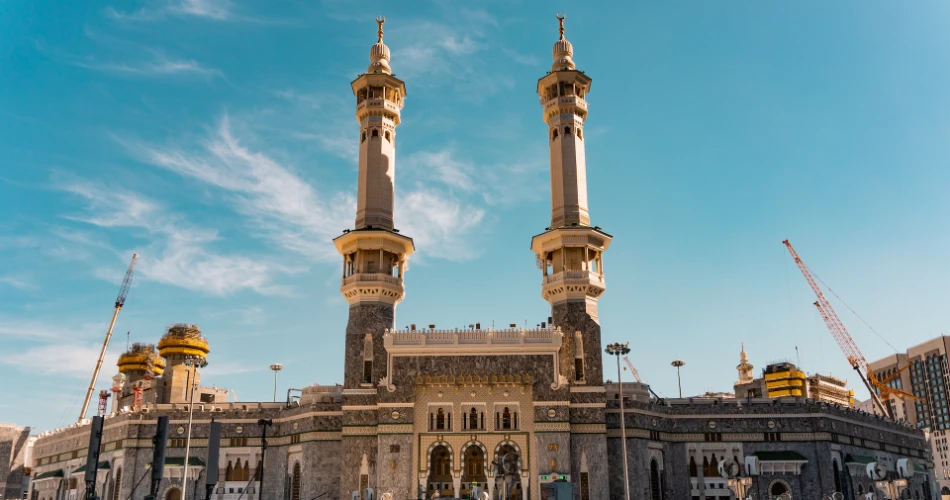
Masjid Al Haram covers over 356,000 square meters, with expansion projects pushing total usable space beyond 1.5 million square meters including surrounding plazas. It can accommodate more than 2.5 million worshippers during peak Hajj days.
The mosque has 13 minarets, each approximately 89 meters high. The Kaaba door is made of solid gold weighing around 280 kilograms. The marble flooring remains cool due to specialized stone imported from Greece. Advanced sound systems distribute the Adhan across vast distances. Retractable umbrellas provide shade in outer courtyards. Escalators, tunnels, and underground passages improve crowd flow and safety.
Nearby Places to Visit
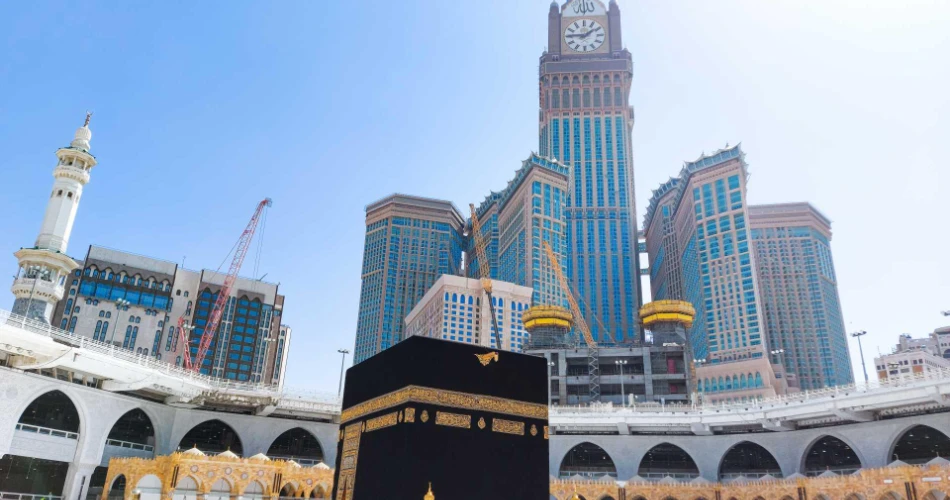
The Abraj Al Bait Complex
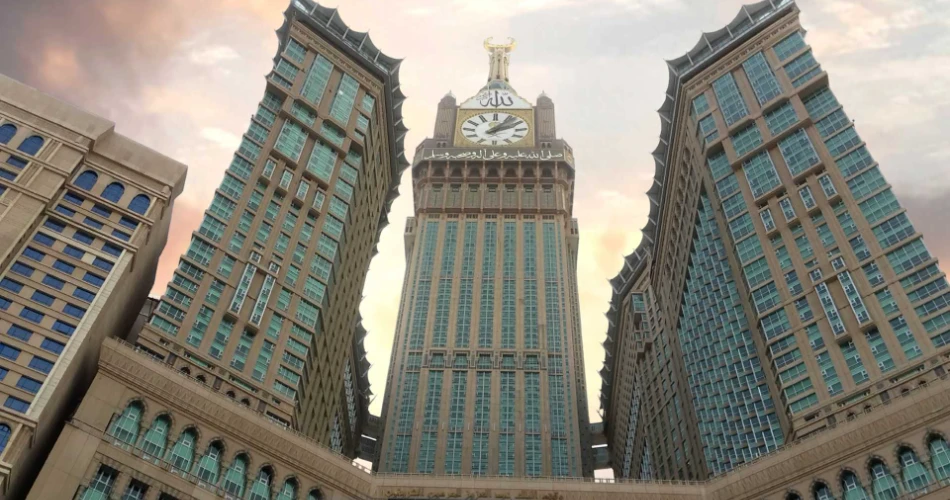
The Abraj Al Bait complex stands directly opposite Masjid Al Haram. It houses luxury hotels, shopping centers, prayer areas, and the Makkah Royal Clock Tower Museum. The clock tower is one of the tallest buildings in the world at 601 meters.
The Makkah Museum
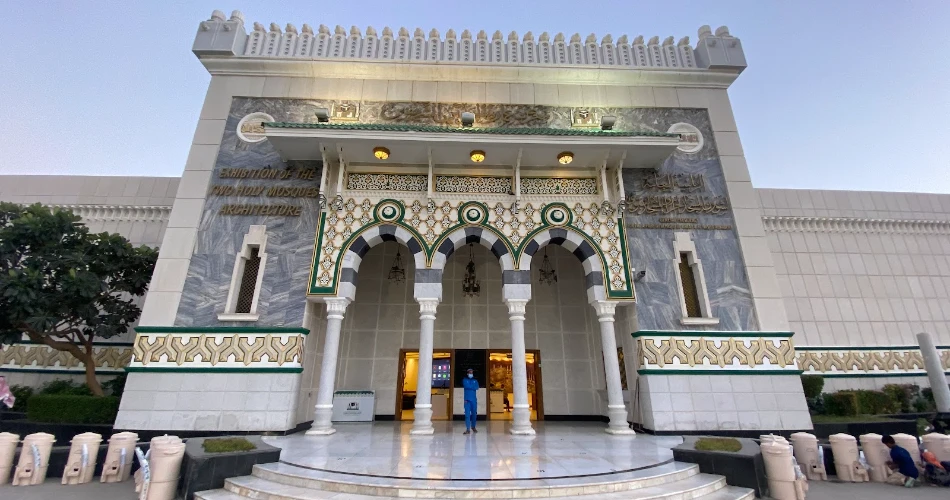
Located in Al-Zaher Palace, the museum preserves Islamic artifacts, manuscripts, and historical exhibits detailing the development of Makkah and Masjid Al Haram.
Jabal al-Noor
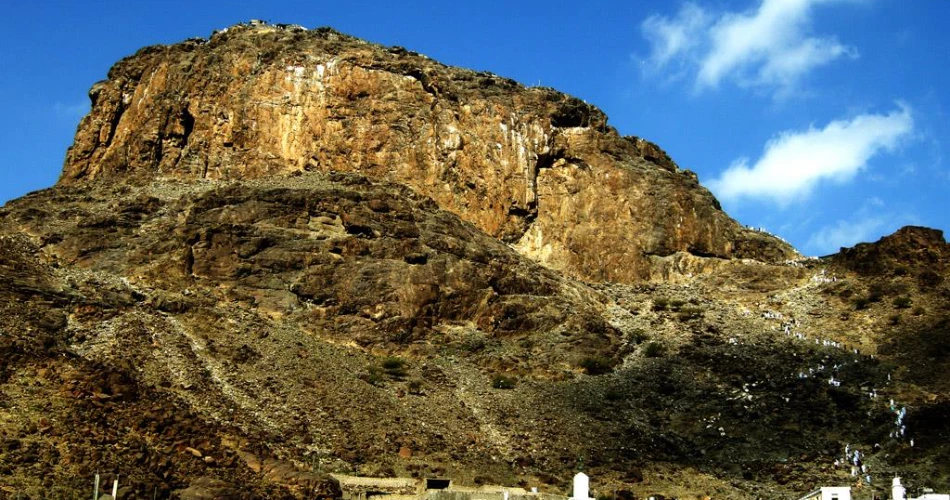
Located northeast of Masjid Al Haram, Jabal al-Noor rises approximately 640 meters above sea level and contains the Cave of Hira where the first revelation occurred.
The Cave of Thawr at Jabal Thawr
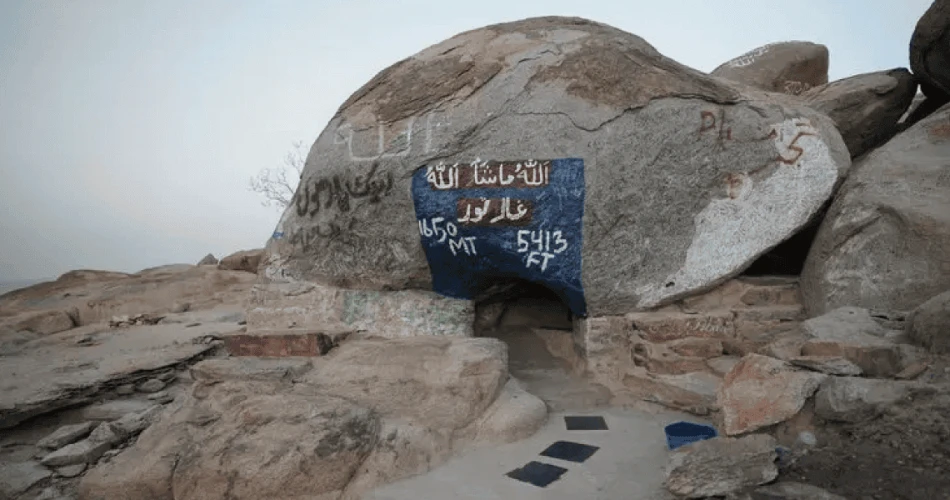
Situated south of Makkah, Jabal Thawr stands about 750 meters high and houses the cave where Prophet Muhammad ﷺ and Abu Bakr (RA) stayed during the Hijrah.
Zamzam Water Distribution Centres
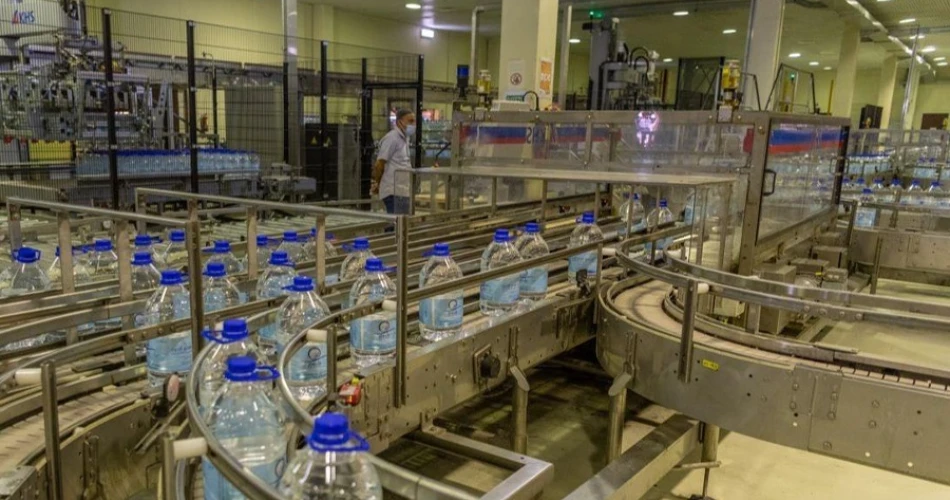
Zamzam facilities across Makkah handle purification, bottling, and distribution under strict quality control systems, ensuring safe supply to millions of pilgrims annually.
Visiting Masjid Al Haram remains one of the most profound spiritual journeys for any Muslim. From Tawaf and Sa’i to exploring nearby sacred landmarks, it represents the heart of Islamic devotion.
Planning Your Trip to Makkah?
Secure your room at Al Kiswah Towers Hotel, perfectly positioned for quick access to Masjid Al Haram and nearby attractions. Enjoy comfort after worship and meaningful exploration of the holy city.

About Author
Alex is a successful travel blogger; he gives great tips to travel enthusiasts regarding how they can save money on their vacations. He's been to 40 + countries, and he mainly focuses on how to cut down costs during travel.